Unclassified / XX
World
Last updated: October 29, 2026
Map image could not be loaded. Open source image.
ⓘ
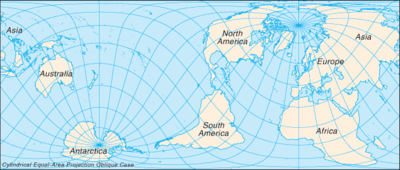
CIA World Factbook map, February 2021 media edition. Identity reviewed; current boundaries have not been audited. visual contact sheet or original identity check; does not verify current boundaries Boundaries, place names and designations may be dated or disputed; original annotations retained. SHA-256: 9ace519953db6bb64e932a5ec8a1ca5e86f82c2571b8a84c27334ce07c5e5bed. Provenance and inspection record.Introduction
Background:1
Globally, the 20th century was marked by: (a) two devastating World Wars; (b) the Great Depression of the 1930s; (c) the end of vast colonial empires; (d) rapid advances in science and technology; (e) the Cold War between the Western alliance and the Warsaw Pact nations; (f) a sharp rise in living standards in North America, Europe, and Japan; (g) increased concerns about environmental degradation including deforestation, energy and water shortages, declining biological diversity, and air pollution; and (h) the ultimate emergence of the US as the only world superpower. The planet's population continues to expand at a fast rate: from 1 billion in 1820 to 2 billion in 1930, 3 billion in 1960, 4 billion in 1974, 5 billion in 1987, 6 billion in 1999, 7 billion in 2012, and 8 billion in 2022. For the 21st century, the continued exponential growth in science and technology raises both hopes (e.g., advances in medicine and agriculture) and fears (e.g., development of even more lethal weapons of war).
Geography
Geographic overview:2
The surface of the Earth is approximately 70.9% water and 29.1% land. The water portion is the World Ocean, the single largest feature of the planet and one that connects all places on the globe. The continental landmasses divide this ocean into five major ocean basins, which are (in decreasing order of size) the Pacific, Atlantic, Indian, Southern, and Arctic. The World Factbook describes these five as oceans. Because of the major ocean currents and the effects of the major air masses above them, the Pacific and Atlantic Oceans are generally divided at the equator into the North and South Pacific Oceans and the North and South Atlantic Oceans, creating seven major water bodies -- the so-called "Seven Seas."
About 97.5% of the Earth's water is saltwater. Of the 2.5% that is fresh, about two thirds is frozen, mostly locked up in mountain glaciers and the Antarctic ice sheets. If all the surface ice on earth fully melted, the sea level would rise about 70 m (230 ft).
Earth's land portion is divided into landmasses called continents. Different continental definitions are recognized in certain parts of the world, with some more heavily based on culture than physical geography.
Depending on the convention used, the number of continents can vary from five to seven. The most common classification recognizes seven, which are (from largest to smallest) Asia, Africa, North America, South America, Antarctica, Europe, and Australia. Asia and Europe are sometimes lumped together into a Eurasian continent, and North and South America are sometimes grouped as the Americas, with either usage resulting in a continent total of six (or five, if both are used).
North America is commonly understood to include Greenland and the Caribbean islands and to extend south to the Isthmus of Panama. The Ural Mountains and the Ural River are usually considered the easternmost part of Europe, the Caspian Sea is the limit to the southeast, and the Caucasus Mountains, the Black Sea, and the Mediterranean to the south. Asia usually incorporates all the islands of the Philippines, Malaysia, and Indonesia. The Pacific islands are often lumped with Australia and designated as Oceania or Australasia. Africa's northeast extremity is frequently delimited at the Isthmus of Suez, but for geopolitical purposes, the Egyptian Sinai Peninsula is often included as part of Africa.
In total, the United States recognizes 197 countries. Using the seven-continent model and grouping islands with adjacent continents, Africa has the most countries with 54. Europe has 49 countries and Asia 48, with five countries shared: Azerbaijan, Georgia, Kazakhstan, Russia, and Turkey. North America has 23, Oceania has 16, and South America has 12.
Europe (49): Albania, Andorra, Austria, Azerbaijan*, Belarus, Belgium, Bosnia and Herzegovina, Bulgaria, Croatia, Czech Republic, Denmark, Estonia, Finland, France, Georgia*, Germany, Greece, Holy See (Vatican City), Hungary, Iceland, Ireland, Italy, Kazakhstan*, Kosovo, Latvia, Liechtenstein, Lithuania, Luxembourg, Malta, Moldova, Monaco, Montenegro, Netherlands, North Macedonia, Norway, Poland, Portugal, Romania, Russia*, San Marino, Serbia, Slovakia, Slovenia, Spain, Sweden, Switzerland, Turkey*, Ukraine, United Kingdom (* indicates part of the country is also in Asia)
Asia (48): Afghanistan, Armenia, Azerbaijan*, Bahrain, Bangladesh, Bhutan, Brunei, Burma, Cambodia, China, Cyprus, Georgia*, India, Indonesia, Iran, Iraq, Israel, Japan, Jordan, Kazakhstan*, North Korea, South Korea, Kuwait, Kyrgyzstan, Laos, Lebanon, Malaysia, Maldives, Mongolia, Nepal, Oman, Pakistan, Philippines, Qatar, Russia*, Saudi Arabia, Singapore, Sri Lanka, Syria, Tajikistan, Thailand, Timor-Leste, Turkey*, Turkmenistan, United Arab Emirates, Uzbekistan, Vietnam, Yemen (* indicates part of the country is also in Europe)
North America (23): Antigua and Barbuda, The Bahamas, Barbados, Belize, Canada, Costa Rica, Cuba, Dominica, Dominican Republic, El Salvador, Grenada, Guatemala, Haiti, Honduras, Jamaica, Mexico, Nicaragua, Panama, Saint Kitts and Nevis, Saint Lucia, Saint Vincent and the Grenadines, Trinidad and Tobago, United States
Oceania (16): Australia, Cook Islands, Fiji, Kiribati, Marshall Islands, Federated States of Micronesia, Nauru, New Zealand, Niue, Palau, Papua New Guinea, Samoa, Solomon Islands, Tonga, Tuvalu, Vanuatu
South America (12): Argentina, Bolivia, Brazil, Chile, Colombia, Ecuador, Guyana, Paraguay, Peru, Suriname, Uruguay, Venezuela
Three of the states described above – France, Netherlands, and the United Kingdom – consist of smaller political entities that are referred to as countries. France considers French Polynesia an overseas country; the Kingdom of the Netherlands refers to all four of its constituent parts (the Netherlands and the islands of Aruba, Curacao, and Sint Maarten) as countries; and the United Kingdom is composed of the countries of England, Wales, Scotland, and Northern Ireland.
Earth has a slight equatorial bulge -- a difference between its equatorial and polar diameters -- because of the centrifugal force from the planet rotating on its axis. The equatorial diameter is 12,756 km, but the polar diameter is 12,714 km; the circumference at the equator is 40,075 km, and the polar circumference is 40,008 km.
Area:3
Area - comparative:4
land area about 16 times the size of the US
Area - rankings:5
*lengths are approximate; if oceans are included, the Mid-Ocean Ridge is by far the longest mountain range at 40,389 km
*if the two polar deserts were included, they would rank first and second: Antarctic Desert 14,200,000 sq km and Arctic Desert 13,900,000 sq km
Land boundaries:6
the land boundaries in The World Factbook total 279,035.5 km (not counting shared boundaries twice), but the number is only an estimate because of the difficulty in precisely measuring natural features such as rivers
note 1: 46 nations and other areas are landlocked, these include: Afghanistan, Andorra, Armenia, Austria, Azerbaijan, Belarus, Bhutan, Bolivia, Botswana, Burkina Faso, Burundi, Central African Republic, Chad, Czechia, Eswatini, Ethiopia, Holy See (Vatican City), Hungary, Kazakhstan, Kosovo, Kyrgyzstan, Laos, Lesotho, Liechtenstein, Luxembourg, North Macedonia, Malawi, Mali, Moldova, Mongolia, Nepal, Niger, Paraguay, Rwanda, San Marino, Serbia, Slovakia, South Sudan, Switzerland, Tajikistan, Turkmenistan, Uganda, Uzbekistan, West Bank, Zambia, Zimbabwe; two of these, Liechtenstein and Uzbekistan, are doubly landlocked
Coastline:7
356,000 km
Maritime claims:8
most countries make the following claims measured from the mean low-tide baseline as described in the 1982 UN Convention on the Law of the Sea: territorial sea - 12 nm, contiguous zone - 24 nm, and exclusive economic zone - 200 nm; additional zones provide for exploitation of continental shelf resources and an exclusive fishing zone; boundary situations with neighboring states prevent many countries from extending their fishing or economic zones to a full 200 nm
Climate:9
a wide equatorial band of hot and humid tropical climates is bordered north and south by subtropical temperate zones that separate two large areas of cold and dry polar climates
Terrain:10
a compilation of terrain extremes can be found in the World elevation entry; the world's ocean floors also display wide variation, as explained in the bathymetry and major ocean currents entries under each of the five ocean entries ( Arctic , Atlantic , Indian , Pacific , and Southern )
largest ice cave: the Eisriesenwelt (Ice Giants World) inside the Hochkogel mountain near Werfen, Austria, is the world's largest and longest ice cave system at 42 km (26 mi)
longest cave: Mammoth Cave in west-central Kentucky is the world's longest known cave system with more than 650 km (405 mi) of surveyed passageways
Elevation:11
* indicates the highest peak for that Factbook entry
Land use:12
Irrigated land:13
3,242,917 sq km (2012 est.)
Major lakes (area sq km):14
Major rivers (by length in km):15
Major watersheds (area sq km):16
a watershed is a drainage basin on an area of land where precipitation collects and drains off into a common outlet, such as into a river, bay, or other body of water; oceans ultimately take in the drainage from 83% of all land area; the remaining 17% of the land drains into internal (endorheic) basins
The World Factbook lists 51 watersheds across 102 countries:
Asia - 18
Europe - 9
Africa - 9
North and Central America - 8
South America - 5
Australia - 2
all watersheds with an area of at least 500,000 sq km have been included, along with a number of smaller, regionally significant watersheds; together, these represent the surface hydrology water flows that are the world's primary sources of fresh water for individual consumption, industry, and agriculture
Major aquifers:17
aquifers are underground layers of water-bearing permeable rock formations; groundwater from aquifers can be extracted using a water well
The World Factbook lists 37 major aquifers across 52 countries:
Africa - 13
Asia - 10
North America - 5
South America - 3
Europe - 4
Australia -2
these aquifers contain the bulk of the stored volume of groundwater; this represents more than 30% of the world's fresh water; in the US, groundwater is primarily used for irrigation; globally, 70% of the groundwater withdrawn is used for agriculture; groundwater also supplies almost half of all drinking water worldwide
Population distribution:18
six of the world's seven continents are widely and permanently inhabited; Asia is the most populous continent, with about 60% of the world's population (China and India together account for over 35%); Africa comes in second with over 15%, Europe has about 10%, North America 8%, South America almost 6%, and Oceania less than 1%; the harsh conditions on Antarctica prevent any permanent habitation
Natural hazards:19
large areas of the world are subject to severe weather and natural disasters (cyclones, earthquakes, landslides, tsunamis, volcanic eruptions, etc.)
*roughly 1,350 volcanoes have erupted over this time period; about 40-50 eruptions are ongoing at any one time; the frequency of volcanoes has not increased
highest volcano (above sea level): Nevado Ojos del Salado (6,893 m; 22,615 ft) on the Chile-Argentina border is the world's highest volcano above sea level and the highest peak in Chile
highest volcano (from base): Mauna Kea (US) is the world's tallest mountain, measured from base to summit; the peak lies on the island of Hawaii, but its base begins more than 70 km (43 mi) offshore and at a depth of about 6,000 m; total height estimates range from 9,966 m to 10,203 m
Wonders of the World:20
Geography - note:21
People and Society
Population:22
Languages:23
Religions:24
Christian 31.1%, Muslim 24.9%, Hindu 15.2%, Buddhist 6.6%, folk religions 5.6%, Jewish <1%, other <1%, unaffiliated 15.6% (2020 est.)
Age structure:25
Dependency ratios:26
Median age:27
Population growth rate:28
1.03% (2021 est.)
Birth rate:29
17 births/1,000 population (2024 est.)
Death rate:30
7.9 deaths/1,000 population (2024 est.)
Population distribution:31
six of the world's seven continents are widely and permanently inhabited; Asia is the most populous continent, with about 60% of the world's population (China and India together account for over 35%); Africa comes in second with over 15%, Europe has about 10%, North America 8%, South America almost 6%, and Oceania less than 1%; the harsh conditions on Antarctica prevent any permanent habitation
Urbanization:32
Major urban areas - population:33
ten largest urban agglomerations, by continent:
Africa - Cairo (Egypt) - 20,901,000; Lagos (Nigeria) - 134,368,000; Kinshasha (DRC) - 14,342,000; Luanda (Angola) - 8,330,000; Dar Es Salaam (Tanzania) - 6,702,000; Khartoum (Sudan) - 5,829,000; Johannesburg (South Africa) - 5,783,000; Alexandria (Egypt) - 5,281,000; Abidjan (Cote d'Ivoire) - 5,203,000; Addis Ababa (Ethiopia) - 4,794,000
Asia - Tokyo (Japan) - 37,393,000; New Delhi (India) - 30,291,000; Shanghai (China) - 27,058,000; Dhaka (Bangladesh) - 21,006,000; Beijing (China) - 20,463,000; Mumbai (India) - 20,411,000; Osaka (Japan) - 19,165,000; Karachi (Pakistan) - 16,094,000; Chongqing (China) - 15,872,000; Istanbul (Turkey) - 15,190,000
Europe - Moscow (Russia) - 12,538,000; Paris (France) - 11,017,000; London (United Kingdom) - 9,304,000; Madrid (Spain) - 6,618,000; Barcelona (Spain) - 5,586,000, Saint Petersburg (Russia) - 5,468,000; Rome (Italy) - 4,257,000; Berlin (Germany) - 3,562,000; Athens (Greece) - 3,153,000; Milan (Italy) - 3,140,000
North America - Mexico City (Mexico) - 21,782,000; New York-Newark (United States) - 18,804,000; Los Angeles-Long Beach-Santa Ana (United States) - 12,447,000; Chicago (United States) - 8,865,000; Houston (United States) - 6,371,000; Dallas-Fort Worth (United States) - 6,301,000; Toronto (Canada) - 6,197,000; Miami (United States) - 6,122,000; Atlanta (United States) - 5,803,000; Philadelphia (United States) - 5,717,000
Oceania - Melbourne (Australia) - 4,968,000, Sydney (Australia) - 4,926,000; Brisbane (Australia) - 2,406,000; Perth (Australia) - 2,042,000; Auckland (New Zealand) - 1,607,000; Adelaide (Australia) - 1,336,000; Gold Coast-Tweed Head (Australia) - 699,000; Canberra (Australia) - 457,000; Newcastle-Maitland (Australia) - 450,000; Wellington (New Zealand) - 415,000
South America - Sao Paulo (Brazil) - 22,043,000; Buenos Aires (Argentina) - 15,154,000; Rio de Janeiro (Brazil) - 13,458,000; Bogota (Colombia) - 10,978,000; Lima (Peru) - 10,719,000; Santiago (Chile) - 6,767,000; Belo Horizonte (Brazil) - 6,084,000; Brasilia (Brazil) - 4,646,000; Porto Alegre (Brazil) - 4,137,000; Recife (Brazil) - 4,127,000 (2020)
Sex ratio:34
Maternal mortality ratio:35
197 deaths/100,000 live births (2023 est.)
Infant mortality rate:36
Life expectancy at birth:37
Total fertility rate:38
2.42 children born/woman (2020 est.)
Drinking water source:39
Health expenditure:40
10.4% of GDP (2021)
Sanitation facility access:41
Children under the age of 5 years underweight:42
12.3% (2022)
Currently married women (ages 15-49):43
66.2% (2023 est.)
Child marriage:44
Environment
Environmental issues:45
large areas of the world are subject to overpopulation, industrial disasters, pollution (air, water, acid rain, toxic substances), loss of vegetation (overgrazing, deforestation, desertification), loss of biodiversity; soil degradation, soil depletion, erosion; ozone layer depletion; waste disposal; temperature change
World biomes:46
Climate:47
a wide equatorial band of hot and humid tropical climates is bordered north and south by subtropical temperate zones that separate two large areas of cold and dry polar climates
Land use:48
Urbanization:49
Carbon dioxide emissions:50
Total renewable water resources:51
54 trillion cubic meters (2011 est.)
Government
Capital:52
Administrative divisions:53
197 countries, 69 dependent areas and other entities
Dependent areas:54
Australia dependencies: Ashmore and Cartier Islands, Christmas Island, Cocos (Keeling) Islands, Coral Sea Islands, Heard Island and McDonald Islands, Norfolk Island (6)
France dependencies: Clipperton Island, French Polynesia, French Southern and Antarctic Lands, New Caledonia, Saint Barthelemy, Saint Martin, Saint Pierre and Miquelon, Wallis and Futuna (8)
New Zealand dependency: Tokelau (1)
Norway dependencies: Bouvet Island, Jan Mayen, Svalbard (3)
United Kingdom dependencies: Anguilla; Bermuda; British Indian Ocean Territory; British Virgin Islands; Cayman Islands; Falkland Islands; Gibraltar; Montserrat; Pitcairn Islands; Saint Helena, Ascension, and Tristan da Cunha; South Georgia and the South Sandwich Islands; Turks and Caicos Islands (12)
United States dependencies: American Samoa, Baker Island, Guam, Howland Island, Jarvis Island, Johnston Atoll, Kingman Reef, Midway Islands, Navassa Island, Northern Mariana Islands, Palmyra Atoll, Puerto Rico, Virgin Islands, Wake Island (14)
Legal system:55
the legal systems of nearly all countries are modeled on elements of five main types: civil law (including French law, the Napoleonic Code, Roman law, Roman-Dutch law, and Spanish law), common law (including English and US law), customary law, mixed or pluralistic law, and religious law (including Islamic sharia law); an additional type of legal system -- international law -- governs the conduct of independent nations in their relationships with one another
International law organization participation:56
all UN members are parties to the statute that established the International Court of Justice (ICJ) or World Court; as of June 2025, 125 countries have also ratified or acceded to the Rome Statute of the International Criminal Court (ICCt), the treaty that established the ICCt (see the reference guide on International Organizations and Groups for differences between the ICJ and ICCt mandates)
Executive branch:57
Legislative branch:58
230 political entities have legislative bodies; of these, 144 are unicameral (a single “house”) and 86 are bicameral (both upper and lower houses); 33 territories, possessions, or other special administrative units have their own governing bodies
Flag:59
a "World" flag does not exist, but the United Nations (UN) flag -- adopted on 7 December 1946 -- has sometimes been used to represent the entire planet; the flag displays the official UN emblem in white on a blue background; the emblem design shows a world map in an azimuthal equidistant projection centered on the North Pole, with the image flanked by two olive branches; blue was chosen to represent peace, in contrast to the red usually associated with war; the map projection includes all the continents except Antarctica
National anthem(s):60
National heritage:61
Economy
Real GDP (purchasing power parity):62
Real GDP growth rate:63
Real GDP per capita:64
GDP (official exchange rate):65
$111.326 trillion (2024 est.)
Inflation rate (consumer prices):66
GDP - composition, by sector of origin:67
GDP - composition, by end use:68
Agricultural products:69
the whole range of agricultural products
Industries:70
dominated by the onrush of technology, especially in computers, robotics, telecommunications, and medicines and medical equipment; most of these advances take place in OECD nations; only a small portion of non-OECD countries have succeeded in rapidly adjusting to these technological forces; the accelerated development of new technologies is complicating already grim environmental problems
Industrial production growth rate:71
2.9% (2024 est.)
Labor force:72
3.696 billion (2024 est.)
Unemployment rate:73
Youth unemployment rate (ages 15-24):74
Remittances:75
Budget:76
Public debt:77
Taxes and other revenues:78
13.8% (of GDP) (2023 est.)
Exports:79
Exports - commodities:80
the whole range of industrial and agricultural goods and services
Imports:81
Imports - commodities:82
the whole range of industrial and agricultural goods and services
Energy
Electricity access:83
Electricity:84
Electricity generation sources:85
Nuclear energy:86
Coal:87
Petroleum:88
Natural gas:89
Energy consumption per capita:90
Communications
Telephones - fixed lines:91
Telephones - mobile cellular:92
Internet users:93
Broadband - fixed subscriptions:94
Transportation
Military and Security
Military expenditures:99
Military and security service personnel strengths:100
approximately 20 million active-duty military personnel worldwide (2025)
Military equipment inventories and acquisitions:101
the US is the world's leading arms exporter (2024)
Military deployments:102
as of mid-2025, there were approximately 68,000 personnel deployed on UN peacekeeping missions worldwide (2025)
Transnational Issues
Trafficking in persons:103
Tier 2 Watch List: (25 countries) Algeria, Barbados, Bolivia, Brazil, Brunei, Burkina Faso, Cabo Verde, Democratic Republic of the Congo, Republic of Congo, Djibouti, Fiji, Hong Kong, Kyrgyzstan, Liberia, Maldives, Nepal, Niger, Rwanda, Saint Lucia, Solomon Islands, South Africa, Tunisia, Turkmenistan, Vanuatu, Zimbabwe (2025)
Notes & sources
- Background. Reference edition; observation: dates as stated in text. Field last updated: not supplied; profile fallback: 2025-11-25 08:33:55 -0500 (not a field revision date); needs review. Reference source. Edition last checked 2026-10-29 (retrieval only). ↩
- Geographic overview. Reference edition; observation: dates as stated in text. Field last updated: not supplied; profile fallback: 2025-11-25 08:33:55 -0500 (not a field revision date); needs review. Reference source. Edition last checked 2026-10-29 (retrieval only). ↩
- Area. Reference edition; observation: dates as stated in text. Field last updated: not supplied; profile fallback: 2025-11-25 08:33:55 -0500 (not a field revision date); needs review. Reference source. Edition last checked 2026-10-29 (retrieval only). ↩
- Area - comparative. Reference edition; observation: dates as stated in text. Field last updated: not supplied; profile fallback: 2025-11-25 08:33:55 -0500 (not a field revision date); needs review. Reference source. Edition last checked 2026-10-29 (retrieval only). ↩
- Area - rankings. Reference edition; observation: dates as stated in text. Field last updated: not supplied; profile fallback: 2025-11-25 08:33:55 -0500 (not a field revision date); needs review. Reference source. Edition last checked 2026-10-29 (retrieval only). ↩
- Land boundaries. Reference edition; observation: dates as stated in text. Field last updated: not supplied; profile fallback: 2025-11-25 08:33:55 -0500 (not a field revision date); needs review. Reference source. Edition last checked 2026-10-29 (retrieval only). ↩
- Coastline. Reference edition; observation: dates as stated in text. Field last updated: not supplied; profile fallback: 2025-11-25 08:33:55 -0500 (not a field revision date); needs review. Reference source. Edition last checked 2026-10-29 (retrieval only). ↩
- Maritime claims. Reference edition; observation: dates as stated in text. Field last updated: not supplied; profile fallback: 2025-11-25 08:33:55 -0500 (not a field revision date); needs review. Reference source. Edition last checked 2026-10-29 (retrieval only). ↩
- Climate. Reference edition; observation: dates as stated in text. Field last updated: not supplied; profile fallback: 2025-11-25 08:33:55 -0500 (not a field revision date); needs review. Reference source. Edition last checked 2026-10-29 (retrieval only). ↩
- Terrain. Reference edition; observation: dates as stated in text. Field last updated: not supplied; profile fallback: 2025-11-25 08:33:55 -0500 (not a field revision date); needs review. Reference source. Edition last checked 2026-10-29 (retrieval only). ↩
- Elevation. Reference edition; observation: dates as stated in text. Field last updated: not supplied; profile fallback: 2025-11-25 08:33:55 -0500 (not a field revision date); needs review. Reference source. Edition last checked 2026-10-29 (retrieval only). ↩
- Land use. Reference edition; observation: dates as stated in text. Field last updated: not supplied; profile fallback: 2025-11-25 08:33:55 -0500 (not a field revision date); needs review. Reference source. Edition last checked 2026-10-29 (retrieval only). ↩
- Irrigated land. Reference edition; observation: 2012. Field last updated: not supplied; profile fallback: 2025-11-25 08:33:55 -0500 (not a field revision date); needs review. Reference source. Edition last checked 2026-10-29 (retrieval only). ↩
- Major lakes (area sq km). Reference edition; observation: dates as stated in text. Field last updated: not supplied; profile fallback: 2025-11-25 08:33:55 -0500 (not a field revision date); needs review. Reference source. Edition last checked 2026-10-29 (retrieval only). ↩
- Major rivers (by length in km). Reference edition; observation: dates as stated in text. Field last updated: not supplied; profile fallback: 2025-11-25 08:33:55 -0500 (not a field revision date); needs review. Reference source. Edition last checked 2026-10-29 (retrieval only). ↩
- Major watersheds (area sq km). Reference edition; observation: dates as stated in text. Field last updated: not supplied; profile fallback: 2025-11-25 08:33:55 -0500 (not a field revision date); needs review. Reference source. Edition last checked 2026-10-29 (retrieval only). ↩
- Major aquifers. Reference edition; observation: dates as stated in text. Field last updated: not supplied; profile fallback: 2025-11-25 08:33:55 -0500 (not a field revision date); needs review. Reference source. Edition last checked 2026-10-29 (retrieval only). ↩
- Population distribution. Reference edition; observation: dates as stated in text. Field last updated: not supplied; profile fallback: 2025-11-25 08:33:55 -0500 (not a field revision date); needs review. Reference source. Edition last checked 2026-10-29 (retrieval only). ↩
- Natural hazards. Reference edition; observation: dates as stated in text. Field last updated: not supplied; profile fallback: 2025-11-25 08:33:55 -0500 (not a field revision date); needs review. Reference source. Edition last checked 2026-10-29 (retrieval only). ↩
- Wonders of the World. Reference edition; observation: dates as stated in text. Field last updated: not supplied; profile fallback: 2025-11-25 08:33:55 -0500 (not a field revision date); needs review. Reference source. Edition last checked 2026-10-29 (retrieval only). ↩
- Geography - note. Reference edition; observation: dates as stated in text. Field last updated: not supplied; profile fallback: 2025-11-25 08:33:55 -0500 (not a field revision date); needs review. Reference source. Edition last checked 2026-10-29 (retrieval only). ↩
- Population. Reference edition; observation: dates as stated in text. Field last updated: not supplied; profile fallback: 2025-11-25 08:33:55 -0500 (not a field revision date); needs review. Reference source. Edition last checked 2026-10-29 (retrieval only). ↩
- Languages. Reference edition; observation: dates as stated in text. Field last updated: not supplied; profile fallback: 2025-11-25 08:33:55 -0500 (not a field revision date); needs review. Reference source. Edition last checked 2026-10-29 (retrieval only). ↩
- Religions. Reference edition; observation: 2020 est.. Field last updated: not supplied; profile fallback: 2025-11-25 08:33:55 -0500 (not a field revision date); needs review. Reference source. Edition last checked 2026-10-29 (retrieval only). ↩
- Age structure. Reference edition; observation: dates as stated in text. Field last updated: not supplied; profile fallback: 2025-11-25 08:33:55 -0500 (not a field revision date); needs review. Reference source. Edition last checked 2026-10-29 (retrieval only). ↩
- Dependency ratios. Reference edition; observation: dates as stated in text. Field last updated: not supplied; profile fallback: 2025-11-25 08:33:55 -0500 (not a field revision date); needs review. Reference source. Edition last checked 2026-10-29 (retrieval only). ↩
- Median age. Reference edition; observation: dates as stated in text. Field last updated: not supplied; profile fallback: 2025-11-25 08:33:55 -0500 (not a field revision date); needs review. Reference source. Edition last checked 2026-10-29 (retrieval only). ↩
- Population growth rate. Reference edition; observation: 2021. Field last updated: not supplied; profile fallback: 2025-11-25 08:33:55 -0500 (not a field revision date); needs review. Reference source. Edition last checked 2026-10-29 (retrieval only). ↩
- Birth rate. Reference edition; observation: 2024. Field last updated: not supplied; profile fallback: 2025-11-25 08:33:55 -0500 (not a field revision date); needs review. Reference source. Edition last checked 2026-10-29 (retrieval only). ↩
- Death rate. Reference edition; observation: 2024. Field last updated: not supplied; profile fallback: 2025-11-25 08:33:55 -0500 (not a field revision date); needs review. Reference source. Edition last checked 2026-10-29 (retrieval only). ↩
- Population distribution. Reference edition; observation: dates as stated in text. Field last updated: not supplied; profile fallback: 2025-11-25 08:33:55 -0500 (not a field revision date); needs review. Reference source. Edition last checked 2026-10-29 (retrieval only). ↩
- Urbanization. Reference edition; observation: dates as stated in text. Field last updated: not supplied; profile fallback: 2025-11-25 08:33:55 -0500 (not a field revision date); needs review. Reference source. Edition last checked 2026-10-29 (retrieval only). ↩
- Major urban areas - population. Reference edition; observation: 2020. Field last updated: not supplied; profile fallback: 2025-11-25 08:33:55 -0500 (not a field revision date); needs review. Reference source. Edition last checked 2026-10-29 (retrieval only). ↩
- Sex ratio. Reference edition; observation: dates as stated in text. Field last updated: not supplied; profile fallback: 2025-11-25 08:33:55 -0500 (not a field revision date); needs review. Reference source. Edition last checked 2026-10-29 (retrieval only). ↩
- Maternal mortality ratio. Reference edition; observation: 2023. Field last updated: not supplied; profile fallback: 2025-11-25 08:33:55 -0500 (not a field revision date); needs review. Reference source. Edition last checked 2026-10-29 (retrieval only). ↩
- Infant mortality rate. Reference edition; observation: dates as stated in text. Field last updated: not supplied; profile fallback: 2025-11-25 08:33:55 -0500 (not a field revision date); needs review. Reference source. Edition last checked 2026-10-29 (retrieval only). ↩
- Life expectancy at birth. Reference edition; observation: dates as stated in text. Field last updated: not supplied; profile fallback: 2025-11-25 08:33:55 -0500 (not a field revision date); needs review. Reference source. Edition last checked 2026-10-29 (retrieval only). ↩
- Total fertility rate. Reference edition; observation: 2020. Field last updated: not supplied; profile fallback: 2025-11-25 08:33:55 -0500 (not a field revision date); needs review. Reference source. Edition last checked 2026-10-29 (retrieval only). ↩
- Drinking water source. Reference edition; observation: dates as stated in text. Field last updated: not supplied; profile fallback: 2025-11-25 08:33:55 -0500 (not a field revision date); needs review. Reference source. Edition last checked 2026-10-29 (retrieval only). ↩
- Health expenditure. Reference edition; observation: 2021. Field last updated: not supplied; profile fallback: 2025-11-25 08:33:55 -0500 (not a field revision date); needs review. Reference source. Edition last checked 2026-10-29 (retrieval only). ↩
- Sanitation facility access. Reference edition; observation: dates as stated in text. Field last updated: not supplied; profile fallback: 2025-11-25 08:33:55 -0500 (not a field revision date); needs review. Reference source. Edition last checked 2026-10-29 (retrieval only). ↩
- Children under the age of 5 years underweight. Reference edition; observation: 2022. Field last updated: not supplied; profile fallback: 2025-11-25 08:33:55 -0500 (not a field revision date); needs review. Reference source. Edition last checked 2026-10-29 (retrieval only). ↩
- Currently married women (ages 15-49). Reference edition; observation: 2023. Field last updated: not supplied; profile fallback: 2025-11-25 08:33:55 -0500 (not a field revision date); needs review. Reference source. Edition last checked 2026-10-29 (retrieval only). ↩
- Child marriage. Reference edition; observation: dates as stated in text. Field last updated: not supplied; profile fallback: 2025-11-25 08:33:55 -0500 (not a field revision date); needs review. Reference source. Edition last checked 2026-10-29 (retrieval only). ↩
- Environmental issues. Reference edition; observation: dates as stated in text. Field last updated: not supplied; profile fallback: 2025-11-25 08:33:55 -0500 (not a field revision date); needs review. Reference source. Edition last checked 2026-10-29 (retrieval only). ↩
- World biomes. Reference edition; observation: dates as stated in text. Field last updated: not supplied; profile fallback: 2025-11-25 08:33:55 -0500 (not a field revision date); needs review. Reference source. Edition last checked 2026-10-29 (retrieval only). ↩
- Climate. Reference edition; observation: dates as stated in text. Field last updated: not supplied; profile fallback: 2025-11-25 08:33:55 -0500 (not a field revision date); needs review. Reference source. Edition last checked 2026-10-29 (retrieval only). ↩
- Land use. Reference edition; observation: dates as stated in text. Field last updated: not supplied; profile fallback: 2025-11-25 08:33:55 -0500 (not a field revision date); needs review. Reference source. Edition last checked 2026-10-29 (retrieval only). ↩
- Urbanization. Reference edition; observation: dates as stated in text. Field last updated: not supplied; profile fallback: 2025-11-25 08:33:55 -0500 (not a field revision date); needs review. Reference source. Edition last checked 2026-10-29 (retrieval only). ↩
- Carbon dioxide emissions. Reference edition; observation: dates as stated in text. Field last updated: not supplied; profile fallback: 2025-11-25 08:33:55 -0500 (not a field revision date); needs review. Reference source. Edition last checked 2026-10-29 (retrieval only). ↩
- Total renewable water resources. Reference edition; observation: 2011. Field last updated: not supplied; profile fallback: 2025-11-25 08:33:55 -0500 (not a field revision date); needs review. Reference source. Edition last checked 2026-10-29 (retrieval only). ↩
- Capital. Reference edition; observation: dates as stated in text. Field last updated: not supplied; profile fallback: 2025-11-25 08:33:55 -0500 (not a field revision date); needs review. Reference source. Edition last checked 2026-10-29 (retrieval only). ↩
- Administrative divisions. Reference edition; observation: dates as stated in text. Field last updated: not supplied; profile fallback: 2025-11-25 08:33:55 -0500 (not a field revision date); needs review. Reference source. Edition last checked 2026-10-29 (retrieval only). ↩
- Dependent areas. Reference edition; observation: dates as stated in text. Field last updated: not supplied; profile fallback: 2025-11-25 08:33:55 -0500 (not a field revision date); needs review. Reference source. Edition last checked 2026-10-29 (retrieval only). ↩
- Legal system. Reference edition; observation: dates as stated in text. Field last updated: not supplied; profile fallback: 2025-11-25 08:33:55 -0500 (not a field revision date); needs review. Reference source. Edition last checked 2026-10-29 (retrieval only). ↩
- International law organization participation. Reference edition; observation: dates as stated in text. Field last updated: not supplied; profile fallback: 2025-11-25 08:33:55 -0500 (not a field revision date); needs review. Reference source. Edition last checked 2026-10-29 (retrieval only). ↩
- Executive branch. Reference edition; observation: dates as stated in text. Field last updated: not supplied; profile fallback: 2025-11-25 08:33:55 -0500 (not a field revision date); needs review. Reference source. Edition last checked 2026-10-29 (retrieval only). ↩
- Legislative branch. Reference edition; observation: dates as stated in text. Field last updated: not supplied; profile fallback: 2025-11-25 08:33:55 -0500 (not a field revision date); needs review. Reference source. Edition last checked 2026-10-29 (retrieval only). ↩
- Flag. Reference edition; observation: dates as stated in text. Field last updated: not supplied; profile fallback: 2025-11-25 08:33:55 -0500 (not a field revision date); needs review. Reference source. Edition last checked 2026-10-29 (retrieval only). ↩
- National anthem(s). Reference edition; observation: dates as stated in text. Field last updated: not supplied; profile fallback: 2025-11-25 08:33:55 -0500 (not a field revision date); needs review. Reference source. Edition last checked 2026-10-29 (retrieval only). ↩
- National heritage. Reference edition; observation: dates as stated in text. Field last updated: not supplied; profile fallback: 2025-11-25 08:33:55 -0500 (not a field revision date); needs review. Reference source. Edition last checked 2026-10-29 (retrieval only). ↩
- Real GDP (purchasing power parity). Reference edition; observation: dates as stated in text. Field last updated: not supplied; profile fallback: 2025-11-25 08:33:55 -0500 (not a field revision date); needs review. Reference source. Edition last checked 2026-10-29 (retrieval only). ↩
- Real GDP growth rate. Reference edition; observation: dates as stated in text. Field last updated: not supplied; profile fallback: 2025-11-25 08:33:55 -0500 (not a field revision date); needs review. Reference source. Edition last checked 2026-10-29 (retrieval only). ↩
- Real GDP per capita. Reference edition; observation: dates as stated in text. Field last updated: not supplied; profile fallback: 2025-11-25 08:33:55 -0500 (not a field revision date); needs review. Reference source. Edition last checked 2026-10-29 (retrieval only). ↩
- GDP (official exchange rate). Reference edition; observation: 2024. Field last updated: not supplied; profile fallback: 2025-11-25 08:33:55 -0500 (not a field revision date); needs review. Reference source. Edition last checked 2026-10-29 (retrieval only). ↩
- Inflation rate (consumer prices). Reference edition; observation: dates as stated in text. Field last updated: not supplied; profile fallback: 2025-11-25 08:33:55 -0500 (not a field revision date); needs review. Reference source. Edition last checked 2026-10-29 (retrieval only). ↩
- GDP - composition, by sector of origin. Reference edition; observation: dates as stated in text. Field last updated: not supplied; profile fallback: 2025-11-25 08:33:55 -0500 (not a field revision date); needs review. Reference source. Edition last checked 2026-10-29 (retrieval only). ↩
- GDP - composition, by end use. Reference edition; observation: dates as stated in text. Field last updated: not supplied; profile fallback: 2025-11-25 08:33:55 -0500 (not a field revision date); needs review. Reference source. Edition last checked 2026-10-29 (retrieval only). ↩
- Agricultural products. Reference edition; observation: dates as stated in text. Field last updated: not supplied; profile fallback: 2025-11-25 08:33:55 -0500 (not a field revision date); needs review. Reference source. Edition last checked 2026-10-29 (retrieval only). ↩
- Industries. Reference edition; observation: dates as stated in text. Field last updated: not supplied; profile fallback: 2025-11-25 08:33:55 -0500 (not a field revision date); needs review. Reference source. Edition last checked 2026-10-29 (retrieval only). ↩
- Industrial production growth rate. Reference edition; observation: 2024. Field last updated: not supplied; profile fallback: 2025-11-25 08:33:55 -0500 (not a field revision date); needs review. Reference source. Edition last checked 2026-10-29 (retrieval only). ↩
- Labor force. Reference edition; observation: 2024. Field last updated: not supplied; profile fallback: 2025-11-25 08:33:55 -0500 (not a field revision date); needs review. Reference source. Edition last checked 2026-10-29 (retrieval only). ↩
- Unemployment rate. Reference edition; observation: dates as stated in text. Field last updated: not supplied; profile fallback: 2025-11-25 08:33:55 -0500 (not a field revision date); needs review. Reference source. Edition last checked 2026-10-29 (retrieval only). ↩
- Youth unemployment rate (ages 15-24). Reference edition; observation: dates as stated in text. Field last updated: not supplied; profile fallback: 2025-11-25 08:33:55 -0500 (not a field revision date); needs review. Reference source. Edition last checked 2026-10-29 (retrieval only). ↩
- Remittances. Reference edition; observation: dates as stated in text. Field last updated: not supplied; profile fallback: 2025-11-25 08:33:55 -0500 (not a field revision date); needs review. Reference source. Edition last checked 2026-10-29 (retrieval only). ↩
- Budget. Reference edition; observation: dates as stated in text. Field last updated: not supplied; profile fallback: 2025-11-25 08:33:55 -0500 (not a field revision date); needs review. Reference source. Edition last checked 2026-10-29 (retrieval only). ↩
- Public debt. Reference edition; observation: dates as stated in text. Field last updated: not supplied; profile fallback: 2025-11-25 08:33:55 -0500 (not a field revision date); needs review. Reference source. Edition last checked 2026-10-29 (retrieval only). ↩
- Taxes and other revenues. Reference edition; observation: 2023. Field last updated: not supplied; profile fallback: 2025-11-25 08:33:55 -0500 (not a field revision date); needs review. Reference source. Edition last checked 2026-10-29 (retrieval only). ↩
- Exports. Reference edition; observation: dates as stated in text. Field last updated: not supplied; profile fallback: 2025-11-25 08:33:55 -0500 (not a field revision date); needs review. Reference source. Edition last checked 2026-10-29 (retrieval only). ↩
- Exports - commodities. Reference edition; observation: 2022. Field last updated: not supplied; profile fallback: 2025-11-25 08:33:55 -0500 (not a field revision date); needs review. Reference source. Edition last checked 2026-10-29 (retrieval only). ↩
- Imports. Reference edition; observation: dates as stated in text. Field last updated: not supplied; profile fallback: 2025-11-25 08:33:55 -0500 (not a field revision date); needs review. Reference source. Edition last checked 2026-10-29 (retrieval only). ↩
- Imports - commodities. Reference edition; observation: dates as stated in text. Field last updated: not supplied; profile fallback: 2025-11-25 08:33:55 -0500 (not a field revision date); needs review. Reference source. Edition last checked 2026-10-29 (retrieval only). ↩
- Electricity access. Reference edition; observation: dates as stated in text. Field last updated: not supplied; profile fallback: 2025-11-25 08:33:55 -0500 (not a field revision date); needs review. Reference source. Edition last checked 2026-10-29 (retrieval only). ↩
- Electricity. Reference edition; observation: dates as stated in text. Field last updated: not supplied; profile fallback: 2025-11-25 08:33:55 -0500 (not a field revision date); needs review. Reference source. Edition last checked 2026-10-29 (retrieval only). ↩
- Electricity generation sources. Reference edition; observation: dates as stated in text. Field last updated: not supplied; profile fallback: 2025-11-25 08:33:55 -0500 (not a field revision date); needs review. Reference source. Edition last checked 2026-10-29 (retrieval only). ↩
- Nuclear energy. Reference edition; observation: dates as stated in text. Field last updated: not supplied; profile fallback: 2025-11-25 08:33:55 -0500 (not a field revision date); needs review. Reference source. Edition last checked 2026-10-29 (retrieval only). ↩
- Coal. Reference edition; observation: dates as stated in text. Field last updated: not supplied; profile fallback: 2025-11-25 08:33:55 -0500 (not a field revision date); needs review. Reference source. Edition last checked 2026-10-29 (retrieval only). ↩
- Petroleum. Reference edition; observation: dates as stated in text. Field last updated: not supplied; profile fallback: 2025-11-25 08:33:55 -0500 (not a field revision date); needs review. Reference source. Edition last checked 2026-10-29 (retrieval only). ↩
- Natural gas. Reference edition; observation: dates as stated in text. Field last updated: not supplied; profile fallback: 2025-11-25 08:33:55 -0500 (not a field revision date); needs review. Reference source. Edition last checked 2026-10-29 (retrieval only). ↩
- Energy consumption per capita. Reference edition; observation: dates as stated in text. Field last updated: not supplied; profile fallback: 2025-11-25 08:33:55 -0500 (not a field revision date); needs review. Reference source. Edition last checked 2026-10-29 (retrieval only). ↩
- Telephones - fixed lines. Reference edition; observation: dates as stated in text. Field last updated: not supplied; profile fallback: 2025-11-25 08:33:55 -0500 (not a field revision date); needs review. Reference source. Edition last checked 2026-10-29 (retrieval only). ↩
- Telephones - mobile cellular. Reference edition; observation: dates as stated in text. Field last updated: not supplied; profile fallback: 2025-11-25 08:33:55 -0500 (not a field revision date); needs review. Reference source. Edition last checked 2026-10-29 (retrieval only). ↩
- Internet users. Reference edition; observation: dates as stated in text. Field last updated: not supplied; profile fallback: 2025-11-25 08:33:55 -0500 (not a field revision date); needs review. Reference source. Edition last checked 2026-10-29 (retrieval only). ↩
- Broadband - fixed subscriptions. Reference edition; observation: dates as stated in text. Field last updated: not supplied; profile fallback: 2025-11-25 08:33:55 -0500 (not a field revision date); needs review. Reference source. Edition last checked 2026-10-29 (retrieval only). ↩
- Airports. Reference edition; observation: 2025. Field last updated: not supplied; profile fallback: 2025-11-25 08:33:55 -0500 (not a field revision date); needs review. Reference source. Edition last checked 2026-10-29 (retrieval only). ↩
- Heliports. Reference edition; observation: 2025. Field last updated: not supplied; profile fallback: 2025-11-25 08:33:55 -0500 (not a field revision date); needs review. Reference source. Edition last checked 2026-10-29 (retrieval only). ↩
- Railways. Reference edition; observation: dates as stated in text. Field last updated: not supplied; profile fallback: 2025-11-25 08:33:55 -0500 (not a field revision date); needs review. Reference source. Edition last checked 2026-10-29 (retrieval only). ↩
- Merchant marine. Reference edition; observation: dates as stated in text. Field last updated: not supplied; profile fallback: 2025-11-25 08:33:55 -0500 (not a field revision date); needs review. Reference source. Edition last checked 2026-10-29 (retrieval only). ↩
- Military expenditures. Reference edition; observation: dates as stated in text. Field last updated: not supplied; profile fallback: 2025-11-25 08:33:55 -0500 (not a field revision date); needs review. Reference source. Edition last checked 2026-10-29 (retrieval only). ↩
- Military and security service personnel strengths. Reference edition; observation: 2025. Field last updated: not supplied; profile fallback: 2025-11-25 08:33:55 -0500 (not a field revision date); needs review. Reference source. Edition last checked 2026-10-29 (retrieval only). ↩
- Military equipment inventories and acquisitions. Reference edition; observation: 2024. Field last updated: not supplied; profile fallback: 2025-11-25 08:33:55 -0500 (not a field revision date); needs review. Reference source. Edition last checked 2026-10-29 (retrieval only). ↩
- Military deployments. Reference edition; observation: 2025. Field last updated: not supplied; profile fallback: 2025-11-25 08:33:55 -0500 (not a field revision date); needs review. Reference source. Edition last checked 2026-10-29 (retrieval only). ↩
- Trafficking in persons. Reference edition; observation: dates as stated in text. Field last updated: not supplied; profile fallback: 2025-11-25 08:33:55 -0500 (not a field revision date); needs review. Reference source. Edition last checked 2026-10-29 (retrieval only). ↩