Europe & Central Asia / CHI
Channel Islands
Last updated: October 29, 2026
World Bank directory: sourceRetrieved 2026-10-29 · single source, unverified; directory metadata may be stale.
Map image could not be loaded. Open source image.
ⓘ
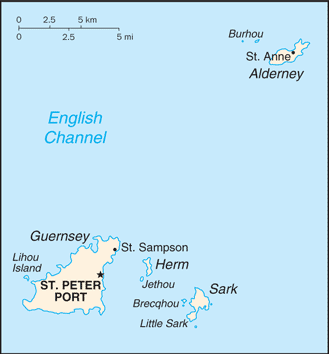
CIA World Factbook map, February 2021 media edition. Identity reviewed; current boundaries have not been audited. visual contact sheet or original identity check; does not verify current boundaries Boundaries, place names and designations may be dated or disputed; original annotations retained. Constituent maps are shown separately; no combined boundary is inferred. SHA-256: 959f67bd5212e35e210953ad2a2f27cd2d57b23739aa8f169ae19f18ae5a1ca2. Provenance and inspection record.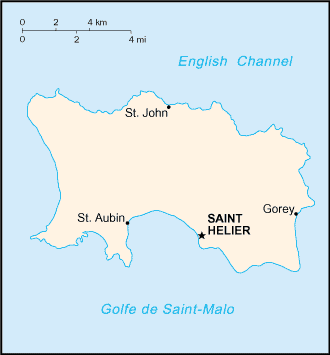
Map image could not be loaded. Open source image.
ⓘ
CIA World Factbook map, February 2021 media edition. Identity reviewed; current boundaries have not been audited. visual contact sheet or original identity check; does not verify current boundaries Boundaries, place names and designations may be dated or disputed; original annotations retained. Constituent maps are shown separately; no combined boundary is inferred. SHA-256: ea1fabf47c251c248717a358e37ab8a1482c7a65c4190e7e5fa6012e38017611. Provenance and inspection record.Additional observations
- Population1
- 168,466 people (2025)
- GDP2
- 12,507,320,838.39 current US dollars (2023)
- Surface area3
- 198 square kilometers (2021)
- Real GDP growth4
- 3.72 % annual change (2023)
- Unemployment (modeled ILO estimate)5
- 6.17 % of labor force (2025)
- Access to electricity6
- 100 % of population (2024)
- Life expectancy at birth7
- 81.2 years (2024)
- Total fertility rate8
- 1.37 births per woman (2024)
- Urban population9
- 32.64 % of population (2025)
- Population growth rate10
- 0.2 % annually (2025)
- Crude birth rate11
- 8.2 births per 1,000 people (2024)
- Crude death rate12
- 10.4 deaths per 1,000 people (2024)
- Physicians13
- 1.52 per 1,000 people (1981)
Notes & sources
- Population. Population: observation 2025; checked 2026-10-29; single source. World Bank World Development Indicators. No safely parseable archive estimate. World Bank: 168,466 people (2025). ↩
- GDP. GDP: observation 2023; checked 2026-10-29; single source. World Bank World Development Indicators. No safely parseable archive estimate. World Bank: 12,507,320,838.39 current US dollars (2023). ↩
- Surface area. Surface area: observation 2021; checked 2026-10-29; single source. World Bank World Development Indicators. No safely parseable archive estimate. World Bank: 198 square kilometers (2021). ↩
- Real GDP growth. Real GDP growth: observation 2023; checked 2026-10-29; single source. World Bank World Development Indicators. Gross domestic product is the total income earned through the production of goods and services in an economic territory during an accounting period. It can be measured in three different ways: using either the expenditure approach, the income approach, or the production approach. This indicator denotes the percentage change over each previous year of the constant price (base year 2015) series in United States dollars. Source metadata: https://api.worldbank.org/v2/indicator/NY.GDP.MKTP.KD.ZG?format=json ↩
- Unemployment (modeled ILO estimate). Unemployment (modeled ILO estimate): observation 2025; checked 2026-10-29; single source. World Bank World Development Indicators. Unemployment refers to the share of the labor force that is without work but available for and seeking employment. The ILO modeled estimate is not necessarily directly comparable with national unemployment measures. Source metadata: https://api.worldbank.org/v2/indicator/SL.UEM.TOTL.ZS?format=json ↩
- Access to electricity. Access to electricity: observation 2024; checked 2026-10-29; single source. World Bank World Development Indicators. Access to electricity is the percentage of population with access to electricity. Electrification data are collected from industry, national surveys and international sources. Source metadata: https://api.worldbank.org/v2/indicator/EG.ELC.ACCS.ZS?format=json ↩
- Life expectancy at birth. Life expectancy at birth: observation 2024; checked 2026-10-29; single source. World Bank World Development Indicators. Latest available World Bank series in 2020–2026; reference year is not retrieval year. May be modeled or revised; differing definitions and geography require review. No independent crosscheck; do not silently replace archived Factbook. ↩
- Total fertility rate. Total fertility rate: observation 2024; checked 2026-10-29; single source. World Bank World Development Indicators. Latest available World Bank series in 2020–2026; reference year is not retrieval year. May be modeled or revised; differing definitions and geography require review. No independent crosscheck; do not silently replace archived Factbook. ↩
- Urban population. Urban population: observation 2025; checked 2026-10-29; single source. World Bank World Development Indicators. Latest available World Bank series in 2020–2026; reference year is not retrieval year. May be modeled or revised; differing definitions and geography require review. No independent crosscheck; do not silently replace archived Factbook. ↩
- Population growth rate. Population growth rate: observation 2025; checked 2026-10-29; single source. World Bank World Development Indicators. Latest available World Bank series in 2020–2026; reference year is not retrieval year. May be modeled or revised; differing definitions and geography require review. No independent crosscheck; do not silently replace archived Factbook. ↩
- Crude birth rate. Crude birth rate: observation 2024; checked 2026-10-29; single source. World Bank World Development Indicators. Latest available World Bank series in 2020–2026; reference year is not retrieval year. May be modeled or revised; differing definitions and geography require review. No independent crosscheck; do not silently replace archived Factbook. ↩
- Crude death rate. Crude death rate: observation 2024; checked 2026-10-29; single source. World Bank World Development Indicators. Latest available World Bank series in 2020–2026; reference year is not retrieval year. May be modeled or revised; differing definitions and geography require review. No independent crosscheck; do not silently replace archived Factbook. ↩
- Physicians. Physicians: observation 1981; checked 2026-10-29; primary source checked. World Bank World Development Indicators. Primary source checked 2026-10-29T19:36:41.679Z. provider release 2026-10-08. source organization Global Health Workforce Statistics, World Health Organization (WHO); Organisation for Economic Co-operation and Development (OECD); Country data. definition Physicians (per 1,000 people). Original provider-reported country/economy series; unchanged historical boundaries are not asserted. Checked original WDI publication and metadata, not independent corroboration. ↩